
 321-341-2327
4 Reasons Why a CRM Is Essential for Business Growth in 2026
Many businesses struggle with stalled deals, missed follow-ups, and inconsistent communication across teams. These challenges rarely stem from a lack of effort or talent. More often, they result from disconnected systems and incomplete visibility into the customer journey.
In 2026, buyers expect faster responses, more relevant communication, and seamless experiences across every touchpoint. When sales, marketing, and customer service teams operate without a shared system, opportunities are lost and relationships weaken. A recent CRM Buyer Trend survey found that 74% of participants agreed that CRM systems improved access to customer data, noting beneficial interaction tracking and customer interactions.
A Customer Relationship Management platform addresses these challenges by creating structure, accountability, and clarity. A CRM centralizes customer data, tracks engagement, and enables teams to operate with intention rather than reaction. Strategy and planning curate a successful business plan for 2026 and onward.
At Chatter Buzz Media, we use CRMs daily to help businesses strengthen relationships, improve operational efficiency, and drive predictable growth.
Below are four reasons a CRM is essential for modern businesses.
What Is a CRM and Why Does It Matter in 2026?
A CRM is a centralized platform designed to manage all interactions between a business and its prospects or customers. This includes emails, calls, meetings, website activity, marketing engagement, deal progress, and post-sale communication.
In today’s environment, customer journeys are longer and involve more stakeholders. Without a CRM, important context gets lost between departments, follow-ups become inconsistent, and decision-making relies on incomplete information.
A CRM creates a single source of truth. Everyone on your team sees the same data, understands the same history, and works toward the same outcomes. This alignment is critical for delivering consistent experiences and scaling effectively. Nearly 70% of small businesses reported being either “satisfied” or “very satisfied” with their CRM system.
In 2026, a CRM is not just a sales tool. It is the operational backbone of revenue growth.
1. Stronger Customer Relationships at Every Stage
Building strong customer relationships requires more than good intentions. It requires visibility, personalization, and consistent engagement across the entire lifecycle.
Personalized Customer Experiences
Modern customers expect businesses to remember who they are, what they care about, and how they have interacted with the brand previously. A CRM makes this possible by storing detailed interaction histories and behavioral data. Your CRM can provide you with automated customer support to make sure your clients are getting their problems handled immediately.
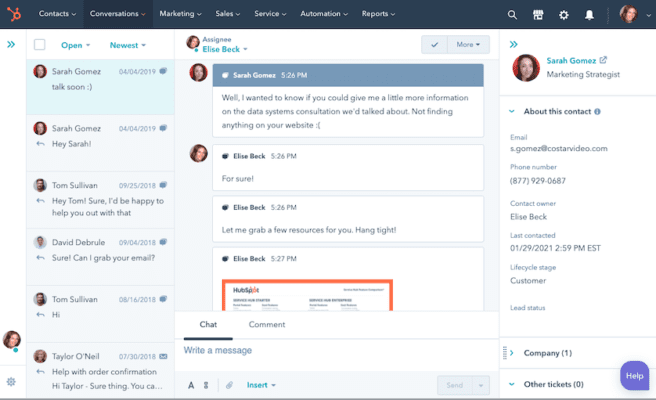
Sales and marketing teams can reference past conversations, content engagement, and preferences before reaching out. This creates interactions that feel informed and relevant rather than generic or repetitive. Personalization builds trust. When customers feel understood, they are more likely to engage, convert, and remain loyal.
According to the most recent State of the Connected Customer Report, 79% of customers expect consistent interactions across departments, and 73% of customers expect offers to always be personalized. A CRM can help you to meet these expectations.
Smarter Customer Targeting
Effective marketing and sales depend on understanding who you are speaking to. CRMs collect demographic, firmographic, and behavioral data that allow businesses to segment audiences with precision.
Instead of sending the same message to everyone, teams can tailor campaigns based on industry, lifecycle stage, past purchases, or engagement level. This improves conversion rates while reducing wasted effort.
Smarter targeting also helps sales teams prioritize outreach, ensuring time is spent on the most valuable opportunities.
Automated Lead Nurturing
Not every lead is ready to buy immediately. Many require education, reassurance, and repeated exposure before making a decision.
CRM platforms support automated lead nurturing through email workflows, task reminders, and behavioral triggers. Leads receive timely, relevant content without requiring constant manual intervention.
This keeps prospects engaged while allowing sales teams to focus on high-intent conversations.
Improved Customer Retention
Customer retention depends on understanding when and why customers disengage. A CRM tracks usage patterns, communication history, and feedback signals that can indicate dissatisfaction.
By identifying friction points early, businesses can proactively address concerns and strengthen relationships. This leads to higher lifetime value and more referral opportunities.
Retention becomes a strategy rather than a reaction. Another tool that your CRM can provide is a sentiment analysis, which can help you understand how your clients feel about you and allow you to do something to make it better – before it is too late.
2. Higher Productivity and Efficiency
Setting up automation throughout your selling process can save your team time and the headaches of trying to do it all manually. With a CRM platform, you can set up automation such as email drip campaigns, chatbots for customer service, and more.
If you want your business to succeed and grow, your team needs to be running at peak efficiency.
Automated Sales and Marketing Processes
CRMs enable businesses to design structured, repeatable workflows that guide prospects and customers from first interaction through long-term engagement. Automation ensures no step is missed while reducing the manual workload on sales and marketing teams.
Examples of automated CRM workflows include:
- Lead assignment and routing
Automatically assigning new leads to the correct sales representative based on territory, industry, deal size, or behavior using platforms like HubSpot or Salesforce. - Email outreach and follow-up sequences
Triggered email campaigns that respond to prospect actions such as form submissions, content downloads, or meeting requests using tools like HubSpot Workflows or ActiveCampaign. - Meeting scheduling and reminders
Automated calendar links, confirmation emails, and reminder notifications that reduce no-shows and speed up the sales cycle through tools like HubSpot Meetings or Calendly integrations. - Task creation and deal stage updates
Automatic task assignments and pipeline movement when key actions occur, ensuring deals progress without manual tracking. - Customer service automation
Ticket creation, routing, and response workflows that ensure customer inquiries are handled quickly and consistently using CRM service hubs or integrations like Zendesk.
By automating these processes, teams maintain consistency across every interaction while reclaiming time to focus on strategy, relationship-building, and revenue-generating activities.
Actionable Analytics and Reporting
CRMs turn activity data into meaningful insights that support better decision-making across departments. Instead of guessing what is working, teams can rely on real-time visibility into performance.
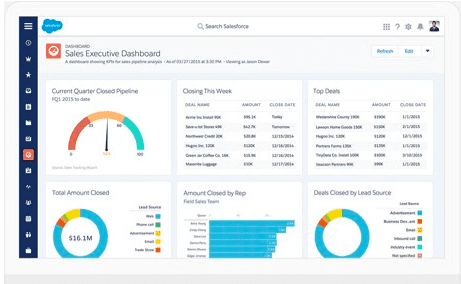
Key analytics and reporting capabilities include:
- Pipeline health dashboards
Visual overviews of open deals, deal stages, and projected revenue that help sales leaders identify bottlenecks and prioritize coaching efforts. - Campaign performance tracking
Measurement of email, paid media, and content campaigns tied directly to lead generation and revenue using CRM marketing analytics. - Deal velocity and conversion metrics
Insights into how long deals take to close, where prospects stall, and which actions accelerate conversions. - Sales team performance reporting
Individual and team-level reports that track activity volume, close rates, and quota attainment. - Forecasting and trend analysis
Predictive reporting based on historical data and current pipeline activity that supports planning and growth decisions.
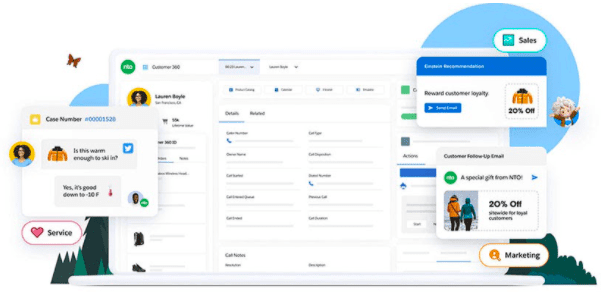
Platforms like HubSpot, Salesforce, and Zoho CRM provide customizable dashboards that allow leaders to monitor performance in real time and make informed adjustments quickly.
One Centralized Database
A CRM acts as a single source of truth for all customer and prospect information, eliminating silos that cause confusion and missed opportunities.
A centralized CRM database typically includes:
- Complete contact records
Names, roles, company details, communication history, and engagement activity are stored in one profile. - Unified interaction history
Emails, calls, meetings, website visits, form submissions, and support tickets are visible to all relevant teams.
- Shared access across departments
Sales, marketing, and customer service teams working from the same data to deliver consistent experiences. - Permission-based visibility
Controlled access that ensures sensitive data is visible only to the appropriate users. - Integration with other tools
Connections to email platforms, marketing automation tools, analytics software, and customer support systems to maintain data accuracy.
By centralizing data, businesses reduce miscommunication, improve collaboration, and create seamless customer experiences. Every interaction builds on the last, strengthening relationships and supporting long-term growth.
3. Increased Sales and Better Forecasting
CRMs directly support revenue growth by improving how opportunities are tracked, prioritized, and closed.
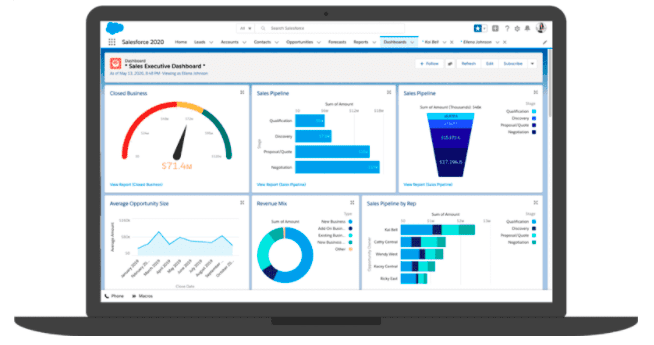
Clear Pipeline Visibility
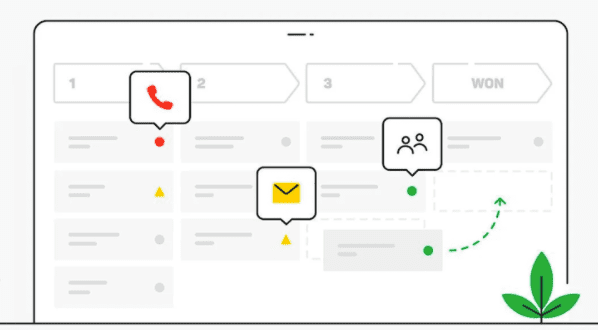
A CRM provides a real-time view of every deal in the pipeline. Sales teams know exactly where each opportunity stands and what actions are required next.
This visibility prevents deals from stalling and helps managers coach more effectively.
Lead Scoring and Prioritization
Not all leads deserve equal attention. CRMs use lead scoring models to rank prospects based on engagement, behavior, and fit.
This allows sales teams to focus on leads most likely to convert, improving efficiency and closing rates.
Accurate Sales Forecasting
Forecasting is only as reliable as the data behind it. CRMs use historical performance and real-time pipeline data to generate accurate forecasts.
Leadership can plan hiring, budgets, and growth initiatives with confidence rather than guesswork.
4. Cost Savings and Scalable Growth
Beyond driving revenue, CRMs help businesses control costs and scale sustainably.
Lower Cost Per Lead and Conversion
Personalized messaging and targeted outreach lead to higher conversion rates. This reduces the cost required to acquire and convert customers.
Marketing spend becomes more efficient and predictable.
Fewer Errors and Missed Opportunities
CRMs reduce reliance on memory and manual tracking. Automated reminders, standardized workflows, and centralized data reduce mistakes that lead to lost deals.
Fewer errors mean more consistent outcomes.
Scalable Systems Without Additional Headcount
As demand grows, CRMs allow businesses to handle more leads and customers without proportionally increasing staff.
Automation and structure support growth without operational strain.
How to Choose the Right CRM for Your Business
Selecting a CRM is a strategic decision. The right platform depends on your business size, goals, and complexity. It’s typically best to hire a top-rated digital marketing agency to handle this for you.
Key considerations include ease of use, integration capabilities, reporting depth, and scalability. Businesses should also consider whether industry-specific features are required.
Testing platforms through free trials and reviewing case studies helps ensure long-term success.
CRM Platforms We Recommend
HubSpot
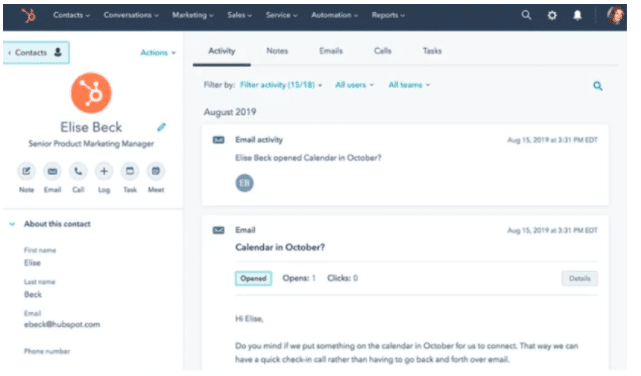
HubSpot is ideal for businesses focused on inbound marketing and scalable growth. It offers strong automation, intuitive dashboards, and seamless alignment between sales and marketing teams.
Zoho CRM
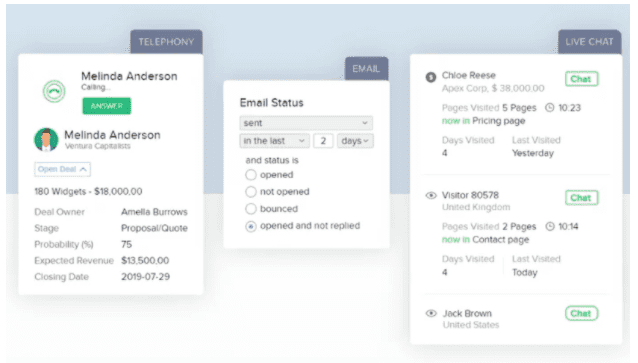
Zoho is well-suited for cloud-based and remote teams. Its flexibility and mobile accessibility support growing organizations with distributed workforces.
Salesforce
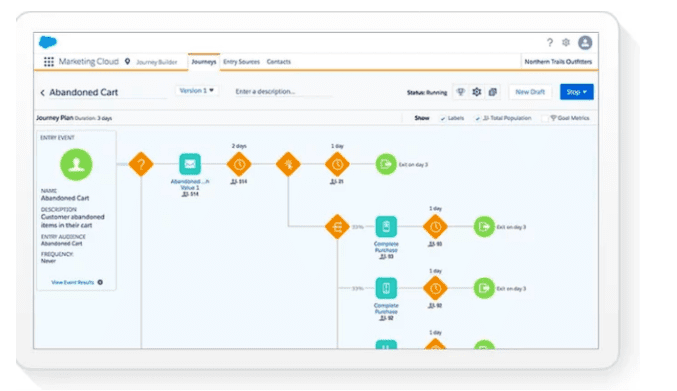
Salesforce is designed for complex, enterprise-level operations. Its customization and advanced reporting capabilities support large sales teams and sophisticated workflows.
Keap
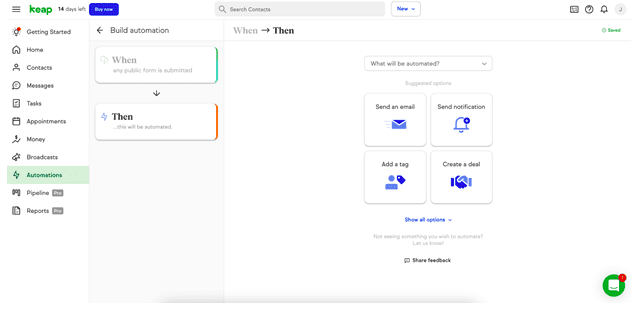
Keap is a strong option for small businesses seeking simplicity. Its guided onboarding and automation features help teams adopt CRM processes quickly.
No matter which CRM platform you choose to use, it will be able to help manage your customer relationships and improve your business.
Start Growing Smarter With the Right CRM
In 2026, successful businesses are built on systems that support clarity, consistency, and connection. Chatter Buzz Media partners with HubSpot to help businesses implement CRM-driven marketing and sales systems that deliver measurable results.
If you are ready to strengthen your customer relationships and scale intelligently, schedule a free consultation with a Chatter Buzz Media strategist and learn how the right CRM can support your growth.